Thursday, September 25, 2025

Brainstorming This Beautifully Stormy Thursday Away

    After taking some time combing through the ancestral capstone projects and sitting with this blogpost's correlating question, I've officially checked in with myself and I can confirm to be feeling in fact a lot of different emotions. Although I would say a "sort of" to stress and a resounding "yes" to excitement-induced motivationI too would say I am feeling inspired, eager, hopeful, supported; but I believe nervous above all. I am nervous at the thought of wanting to make the right choices, wishing to ask all the right questions, and hoping to turn in the right capstone. And tonight: I really loved where the past YDEV ancestor incorporated a month by month timeline sort of plan, when another centered theirs around their grandmother, as well as the one concept of a LGBTQ+ hub even if that project is no longer visible to us.

    With that said though, a lot of the work we've done together throughout the semester so far has very much gotten a lot of ideas flowing along the way. Albeit early introduction to the project, recent exploration of others, or learning about different research ideologies, tools, methods and more I have definitely been allowing my mental gears to get going at each of the different steps. Anyhow, I am going to brainstorm a bit below about potential capstone plans and I really look forward to finishing so I could check out what my YDEV peers are feeling, thinking, etc. 

Potential Plan A: Especially at a time like our current political climate, what are the most prevalent forms of 1. crises, 2. coping mechanisms, and 3. creative forms of resistance or resolution from the perspective of youth who're parts of the 2SLGBTQIA+ community? → Qualitative Research (accessibly collected data utilizing varying tools such as 1:1/group interviews, anonymous questionnaires/surveys, focus group discussions, observations, and/or art submission if appropriate) from the lens of Constructivism (maybe with some incorporation of critical theory and any existent research) and served in a pizza box of examination, analysis, anecdotes, visual tools, YDEV anchors/ideologies, as well as connections to any existent research/experts.

Potential Plan B: From their perspective, what are the best rapport-building strategies, tips, and/or tools when it comes to working alongside youth within the 2SLGBTQIA+ community? → Qualitative Research done (accessibly collected data utilizing varying tools such as 1:1/group interviews, anonymous questionnaires/surveys, observations and/or focus group discussions) from the lens of Constructivism and served in a pizza box of examination, analysis, anecdotes, visual tools, YDEV anchors/ideologies, as well as connections to any existent research/experts.

Potential Plan C: From the perspective of youth (or more generally "as a collective society"), how can we first cease and second prevent hate crimes that are targeted against those within the 2SLGBTQIA+ community (and at even higher rates, transgender women of color)? → Qualitative Research (accessibly collected data utilizing varying tools such as 1:1/group interviews, anonymous questionnaires/surveys, and/or focus group discussions) from the lens of Constructivism (maybe with some incorporation of critical theory) and served in a pizza box of examination, analysis, anecdotes, visual tools, YDEV anchors/ideologies, as well as connections to any existent research/experts.

Side-note #1: I have tried being consistent in incorporating an explanation to Two-Spirit (in this post and others) but if anyone would like to additionally delve more into the other letters, here is the University of California's Davis Campus LGBTQIA Resource Center's Glossary.

Side-note #2: Whenever we're in like future sampling phases and site selection, I could try working with YPI, Haus of Codec or Home to Hope, advocacy organizations like TGI Network or LGBT Action RI, RIC spaces such as Unity Center or where my Queer Studies minor derives from, or even the populations of people I engage with when I sometimes do weekend work at EGO.

Side-note #3: Wrapping this all up by shouting out a Narragansett TwoSpirit with the following image of Sherente Mishitashin Harris.

Complete the Circle” with Sherenté Mishitashin Harris – The Rhode Island  Historical Society


I thank you for reading,

B


Sunday, September 7, 2025

The Struggle Is/Was Real


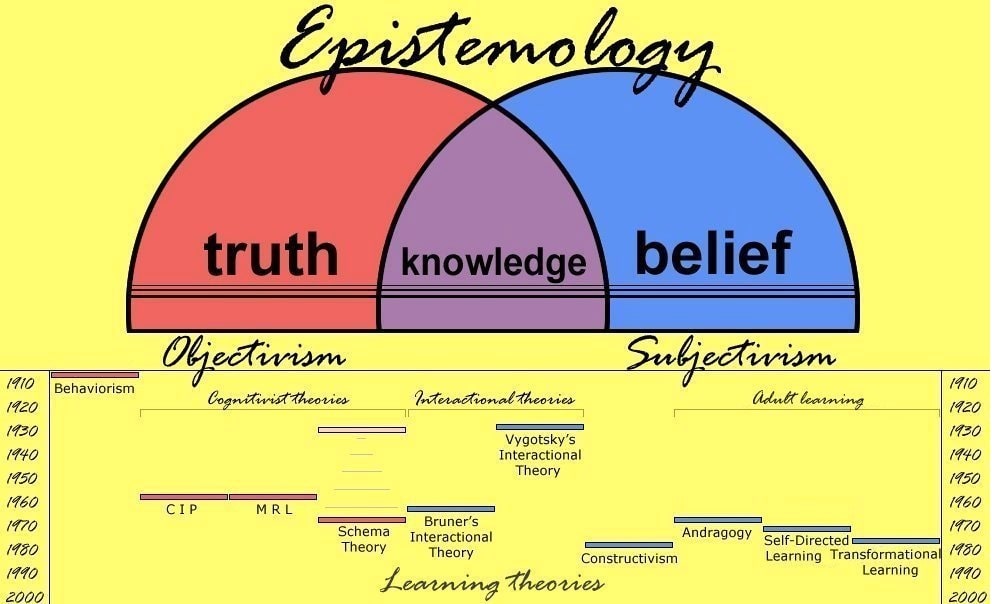
Am I the only one who had to replay these videos a few times back?! And pause it to catch up on my notes?! Even with slowed down playback speeds AND closed captions?! I sure hope not LOL anywho before I go on and spew some possible answers to my potential questions, I wanted to share that I did some brief skimming through other online sources on these paradigms/frameworks and stumbled upon the image that I ended up including above (I will include that it happened to have come from here although I must also preface that the site could be deemed quite sketchy LOL). Nonetheless, not only did it connect to this recent work of ours but it too reminded me of another conversation that is ongoing within another YDEV course of mine (and that being a super interesting and fruitful discourse surrounding what is considered truthful/factual information, the weight that experience/belief carry, and the unintended roles that harm can play when bringing knowledge into a space).

Anywho, my efforts at rounding out and building upon the information learned from the assigned Pat Norman videos didn't end up really helping me determine exactly which ideology I align most with (it actually may have done the opposite LOL). Although if I ~had~ to choose one in this moment, I think I align closer to the ideology of Constructivism. I would say so because of its epistemological belief that knowledge is co-created/built/shared, axiology of humanity/diversity/context in one's identity, and general understanding that the world will forever be much more of a grey area than ever the sole colors of black and white. Next reviewing my list of twenty questions from last week's blogpost, I think some of the answers would look like the following...

Q1: How do I become sure that I am honoring all parts of a young person's intersecting identities at all times?

A1: Looking at this question from the lens of constructivism, I must ensure that cultural and historical context are at the center of posing the question and discovering the answer. Although I don't know the answer- I, too, think that this could be a perfect opportunity for knowledge to be shared and created collaboratively. 

Q2: What are the most effective forms of respite for youth within the 2SLGBTQIA+ community who is facing familial banishment, houselessness, or any other type of life crisis? 

A2: Approaching this from a constructivist perspective, I think the answer/s would be within the process and participants of the research itself. Its underlying values would encourage diversity and humanity throughout every step of the way- and paired with an emphasis placed on how we all understand and make meaning differently, a very wide range of truths could be brought to the surface.

Q3: What are the most prevalent forms of crises and/or coping skills from the perspective of a youth within the 2SLGBTQIA+ community?

A3: If I were to take a constructivist approach, I believe I may answer the above question by delving head first into every identity that is under every letter and doing so with every research approach and method possible. Now I may have to come to terms with my human capabilities putting limitations on the extent of my research/the research's inability to be infinite or all-encompassing (thus potentially leaving out some possible answers, perspectives, meanings, etc.) but I'd certainly shoot for the stars.

I thank you for reading this far and look forward to next week,

Bailee xxxooo

Monday, September 1, 2025

Why You Asking All Them Questions? Making Statements? Assuming?!

 CDN media

A list of 20 Questions that I have in relation to my professional life are as follows...

1. How do I become sure that I am honoring all parts of a young person's intersecting identities at all times?

2. How do we determine how to support youth within the 2SLGBTQIA+ community in ways that are most beneficial to them and their wellbeing?

3. What are the most effective forms of respite for youth within the 2SLGBTQIA+ community who is facing familial banishment, houselessness, or any other type of life crisis? 

4. What are the most prevalent forms of crises from the perspective of a youth within the 2SLGBTQIA+ community?

5. What are the most prevalent forms of coping skills from the perspective of a youth within the 2SLGBTQIA+ community?

6. As a society, how can we 1. cease and then 2. prevent hate crimes targeted against the 2SLGBTQIA+ community and at even higher rates, transgender people of color?

7. What are the most efficient ways to encourage empowerment and leadership amongst youth (in and outside of marginalized populations)?

8. How do we support the youth who struggle to envision a future to be able to in a way that is true and helpful to who they are (in spite of society and media's ignorance, erasure, misrepresentation, etc.)?

9. What are the best rapport-building strategies, tips, or tools when it comes to working with youth within the 2SLGBTQIA+ community (and from their perspective)?

10. How do I create spaces that are as "safer" and "brave" as possible?

11. How do I ensure that I am most effectively utilizing the parts of my identity that come with privilege?

12. What are the most fruitful ways to have the more difficult conversations of inequity and injustice with youth?

13. Whenever with youth and wherever with them, how do I casually albeit actively honor the Indigenous folk (and even their youth) who were there well before us?

14. Are there helpful ways to earlier-in-life promote love, discourage hate, and ultimately prevent later-in-life occurrences like bullying, hate crimes, internal/external destruction, etc.?

15. Can love be taught?

16. Do youth-workers ever stop randomly thinking back on youth and hoping they are well?

17. How do we promote early practice of the "professional and personal balance" life skill that so many of us strive for (and often struggle with) later in life?

18. In our youth-work, how do we undo the societal taboos and trivializations that exist surrounding mental health and trauma?

19. Are there fruitful ways to begin normalizing death and grief amongst youth?

20. What are the most inclusive and well-balanced ways to celebrate birthdays, holidays, cultural traditions, etc. amongst bigger groups of youth with varying identities, beliefs, cultures, etc.?

Here's to the rest of our Fall 2025 semester together!🫶🥳✨

First and foremost, I really enjoyed again getting a little peek at capstone proposals from past YDEV-ers and most specifically, would have ...